Pune
08048035331
+918830234345
Radiology Technician (X Ray, CT scan)

Radiology Technician (X Ray, CT scan)

In stockcod not available
Phone Number

08048035331

Please keep 0 before dialling the number.

Mon-Thu: 10 AM - 2 PM • Fri: 3 PM - 7AM

Other Website Visit our other website
Address Laxmi Niwas Apartment , Giridhar Nagar , Warje

Pune, India, 411058

Description

Radiology has been a distinct medical specialty with unique technical challenges from its inception. A radiology technician uses diagnostic imaging equipment to help physicians diagnose illnesses and injuries. He or she may use X-ray equipment, a sonography machine, computed tomography (CT Scan), magnetic resonance imaging (MRI), or a mammography machine to perform these tests and scans. Through the use of equipment, radiology technicians produce images of internal organs, bones, and other structures, for diagnostic and treatment purposes. At VIPS, we offer the best paramedical courses in Pune. We make sure that the training of students is being conducted in the most advanced medical surroundings. The equipment that is used is modern and advanced which puts our student’s one step ahead of the other technicians. A radiology technician works under the supervision of and in cooperation with physicians and radiologists. They enable the physicians and doctors to diagnose and treat the conditions that have come out through the documentation done by the radiology technician. Job Description Adjusting the equipment to ensure quality scan Preparing patients for radiological imaging procedures Following safety precautions Reviewing patient records Performing mammography and fluoroscopy, which allows the doctors to view the patient’s soft tissues Career Prospects Radiology technicians have numerous job opportunities in private, government, and corporate hospitals, diagnostic centers, and imaging centers. The technicians can work as X-ray technicians, CT technicians, MRI technicians, mammography technicians. He/she can also specialize in certain diagnostic tests like mammography, bone densitometry, cardiac interventional radiography, and vascular sonography. Some radiologic technologists advance their careers into radiation therapy. These therapists help treat severe conditions like cancer and other diseases by administering radiation treatments.

Other Courses

view all

69d5000bb619a09c411f1eb9 Card 2

product image
Diploma In MRI Technolgy

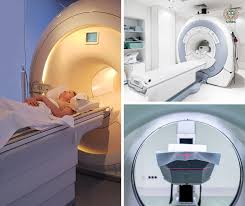
A Diploma in MRI Technology is a program that trains individuals to become skilled MRI technicians, operating specialized equipment to produce images of the human body for diagnostic purposes. These programs typically last 1-2 years and cover topics like MRI physics, patient positioning, and image processing. Graduates can find work in hospitals, diagnostic centers, and clinics. Key aspects of a Diploma in MRI Technology: Focus: The core of the program is to train students in the operation and maintenance of MRI equipment, as well as patient care and safety protocols. Curriculum: Courses often include MRI physics, different MRI techniques, image processing, and patient care. Career Paths: Graduates can work as MRI technicians or technologists in various healthcare settings, assisting radiologists in diagnosis. Eligibility: Generally, candidates need to have completed 10+2 with Physics, Chemistry, and Biology/Mathematics.
69d5000bb619a09c411f1eb9 Card 2

product image
Diploma In Cath Lab Technology

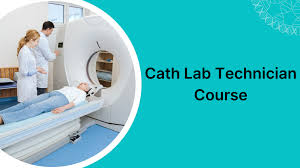
A Diploma in Cath Lab Technology is a specialized program that trains individuals to work in a catheterization laboratory (cath lab), assisting cardiologists with diagnostic and therapeutic procedures related to cardiovascular health. These procedures often involve using catheters to examine the heart and its associated structures. Key aspects of the diploma: Course Duration: Typically, the diploma program is a 2-year course. Curriculum: The curriculum includes both theoretical and practical training, covering subjects like anatomy and physiology of the heart, cardiovascular diseases, electrocardiography, cardiac catheterization techniques, and patient care. Practical Experience: Many programs incorporate internships or clinical rotations to provide hands-on experience in a real cath lab setting. Job Roles: Graduates of this diploma can work as cath lab technicians, assisting doctors in procedures like angiograms, angioplasties, and stent placements. Career Scope: The demand for skilled cath lab technicians is growing due to the increasing prevalence of heart and cardiovascular diseases.

69d5000bb619a09c411f1eb9 Card 2

product image
Sanitary Inspector

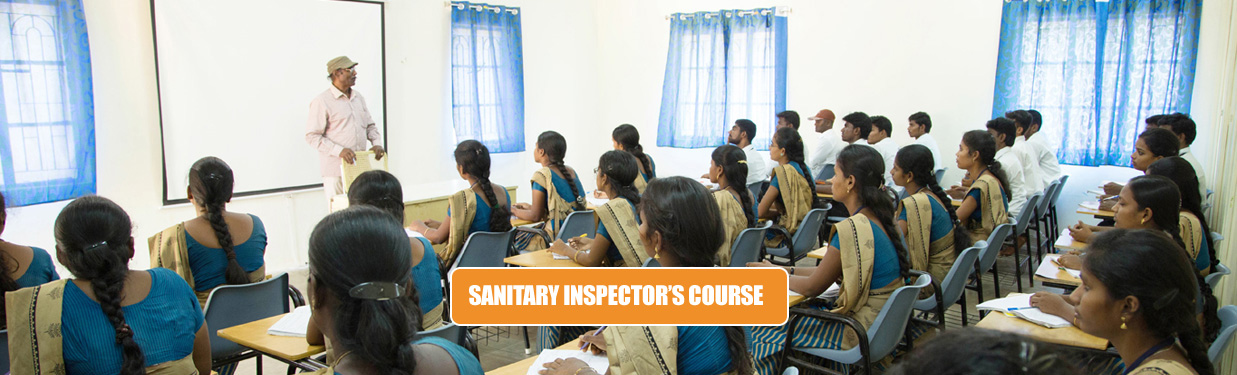
A Sanitary Inspector course prepares individuals for careers focused on public health and sanitation. These courses, available as diplomas or certificates, equip students with the knowledge and skills to manage hygiene, sanitation, and waste management in various settings, including urban and rural areas. The curriculum typically covers topics like environmental health, public health regulations, and disease prevention. Course Details: Diploma in Sanitary Inspector: This program is designed to provide technical and practical training in health and sanitation, addressing issues related to environmental conditions and family welfare. Advanced Diploma in Sanitary Health Inspector: This specialized course, offered by some universities, focuses on developing in-depth technical knowledge in public health and sanitation. Certificate in Health and Sanitary Inspector: This certificate program aims to create professionals who can maintain hygiene and cleanliness in public places like hospitals, schools, and restaurants. Key Areas Covered: Environmental Health: Understanding factors affecting public health in the environment. Waste Management: Learning about proper methods for collecting, transporting, and disposing of waste. Public Health Regulations: Gaining knowledge of laws and guidelines related to public health and sanitation. Epidemiology: Studying the patterns and causes of diseases to prevent their spread. Food Hygiene: Ensuring food safety and preventing foodborne illnesses. Career Opportunities: Sanitary Inspectors find employment in various sectors, including: Municipal Bodies: Working for local governments to manage sanitation in public spaces. District Councils: Contributing to sanitation efforts within specific geographic areas. Railways: Ensuring hygiene and sanitation on trains and at railway stations. Five-Star Hotels: Maintaining high standards of hygiene and sanitation in hospitality settings. Food and Drugs Administration: Inspecting food establishments to ensure safety and quality. Airports: Managing sanitation and hygiene in airport facilities. Hospitals: Ensuring a clean and safe environment for patients and staff. Schools: Maintaining hygiene standards in educational institutions. Restaurants: Ensuring food safety and hygiene in dining establishments.

footerhc