Thank you for writing to us. One of our executive will reach back to you through your submitted medium. In case there’s an urgency, feel free to connect over WhatsApp for faster response.
Prefer calling? Dial +919822066959 (International callers) or +919822066959 (Indian callers).
A Diploma in MRI Technology is a program that trains individuals to become skilled MRI technicians, operating specialized equipment to produce images of the human body for diagnostic purposes. These programs typically last 1-2 years and cover topics like MRI physics, patient positioning, and image processing. Graduates can find work in hospitals, diagnostic centers, and clinics.
Key aspects of a Diploma in MRI Technology:
Focus:
The core of the program is to train students in the operation and maintenance of MRI equipment, as well as patient care and safety protocols.
Curriculum:
Courses often include MRI physics, different MRI techniques, image processing, and patient care.
Career Paths:
Graduates can work as MRI technicians or technologists in various healthcare settings, assisting radiologists in diagnosis.
Eligibility:
Generally, candidates need to have completed 10+2 with Physics, Chemistry, and Biology/Mathematics.
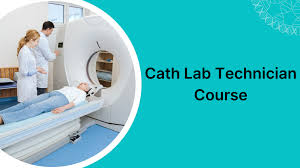
A Diploma in Cath Lab Technology is a specialized program that trains individuals to work in a catheterization laboratory (cath lab), assisting cardiologists with diagnostic and therapeutic procedures related to cardiovascular health. These procedures often involve using catheters to examine the heart and its associated structures.
Key aspects of the diploma:
Course Duration:
Typically, the diploma program is a 2-year course.
Curriculum:
The curriculum includes both theoretical and practical training, covering subjects like anatomy and physiology of the heart, cardiovascular diseases, electrocardiography, cardiac catheterization techniques, and patient care.
Practical Experience:
Many programs incorporate internships or clinical rotations to provide hands-on experience in a real cath lab setting.
Job Roles:
Graduates of this diploma can work as cath lab technicians, assisting doctors in procedures like angiograms, angioplasties, and stent placements.
Career Scope:
The demand for skilled cath lab technicians is growing due to the increasing prevalence of heart and cardiovascular diseases.
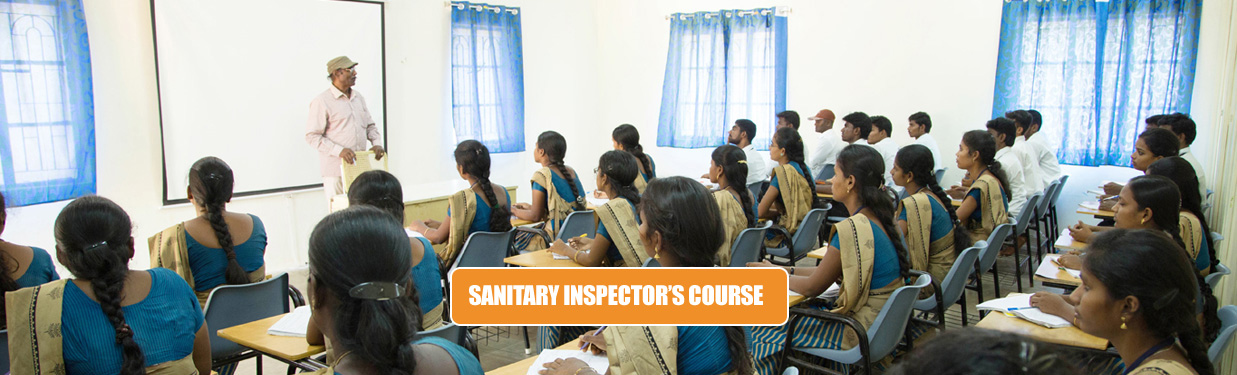
A Sanitary Inspector course prepares individuals for careers focused on public health and sanitation. These courses, available as diplomas or certificates, equip students with the knowledge and skills to manage hygiene, sanitation, and waste management in various settings, including urban and rural areas. The curriculum typically covers topics like environmental health, public health regulations, and disease prevention.
Course Details:
Diploma in Sanitary Inspector:
This program is designed to provide technical and practical training in health and sanitation, addressing issues related to environmental conditions and family welfare.
Advanced Diploma in Sanitary Health Inspector:
This specialized course, offered by some universities, focuses on developing in-depth technical knowledge in public health and sanitation.
Certificate in Health and Sanitary Inspector:
This certificate program aims to create professionals who can maintain hygiene and cleanliness in public places like hospitals, schools, and restaurants.
Key Areas Covered:
Environmental Health: Understanding factors affecting public health in the environment.
Waste Management: Learning about proper methods for collecting, transporting, and disposing of waste.
Public Health Regulations: Gaining knowledge of laws and guidelines related to public health and sanitation.
Epidemiology: Studying the patterns and causes of diseases to prevent their spread.
Food Hygiene: Ensuring food safety and preventing foodborne illnesses.
Career Opportunities:
Sanitary Inspectors find employment in various sectors, including:
Municipal Bodies: Working for local governments to manage sanitation in public spaces.
District Councils: Contributing to sanitation efforts within specific geographic areas.
Railways: Ensuring hygiene and sanitation on trains and at railway stations.
Five-Star Hotels: Maintaining high standards of hygiene and sanitation in hospitality settings.
Food and Drugs Administration: Inspecting food establishments to ensure safety and quality.
Airports: Managing sanitation and hygiene in airport facilities.
Hospitals: Ensuring a clean and safe environment for patients and staff.
Schools: Maintaining hygiene standards in educational institutions.
Restaurants: Ensuring food safety and hygiene in dining establishments.
PG- DMLT
Post-Graduation Courses, Duration: 1 year Qualification: BSc
Post Graduate Diploma In Medical Laboratory Technology ( PG-DMLT). The course is intended to train graduates in the fields of clinical chemistry, clinical pathology and clinical microbiology laboratory techniques with adequate theoretical knowledge and practical skills.
Job Description
Candidates have great career opportunities both in the government and private medical sectors. One can apply for post-graduation in the fields with the subjects studied in the diploma too. There are numerous private medical laboratories, hospitals, clinics, blood banks, pathology, etc which they can join.
PG- DMLT Post-Graduation Courses, Duration: 1 year Qualification: BSc
Advance Diploma in Medical Laboratory Technician (ADMLT)
Diploma Courses, Duration: 1 year 6 Month Qualification: BSc
Advanced Diploma in Medical Laboratory Technology is Diploma level Medical Lab Technologist course. Medical Laboratory Technology also called Clinical laboratory science is an allied health profession which is concerned with the diagnosis, treatment and prevention of disease using clinical laboratory tests. At we offer the best paramedical courses in Pune.
Job Description
Receiving, labeling, and analyzing samples (blood, toxic, tissue, etc.)
Designing and executing laboratory testing according to standard procedures
Conducting experiments under defined conditions to verify/reject various types of hypotheses using refined scientific methods
Diploma in Medical laboratory Technician (DMLT)
Diploma Courses, Duration: 1 year, Qualification: 12th Science/MLT
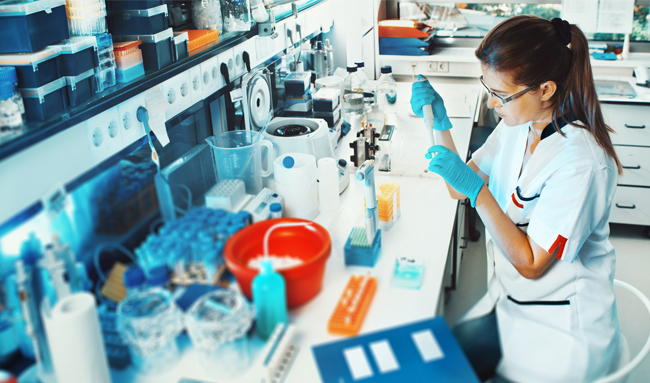
The laboratory technicians are the ones who do the blood collection and perform the various diagnostic tests by analysing body fluids like blood, saliva, urine, tissues, microorganism screening, chemical analyses, and cell counts of the human body. . we offer the best paramedical courses in Pune.
Job Description
Receiving, labeling, and analyzing samples (blood, toxic, tissue, etc.)
Designing and executing laboratory testing according to standard procedures
Conducting experiments under defined conditions to verify/reject various types of hypotheses using refined scientific methods
With increasing awareness about healthcare, people have been actively participating in things that contribute to their health and wellbeing. Owing to this, the job of a well-trained medical laboratory technician has become more popular and more in demand than ever.
Medical laboratory technicians play an important role in the prevention and diagnosis of various diseases including cancer, diabetes, and AIDS. Medical lab technicians work under the supervision of a physician, lab manager, or medical technologist and perform laboratory tests on specimens. we offer the best paramedical courses in Pune.
The medical laboratory technicians are the ones who do the blood collection and perform the various diagnostic tests by analysing body fluids like blood, saliva, and urine, tissues, microorganism screening, chemical analyses, and cell counts of the human body. A diploma helps gain a better position in the laboratory workflow.
The tests that lab technicians conduct assist doctors in verifying the causes of an illness, making medical decisions, and determining treatment options. Some of the areas in which medical lab technicians specialise include:
Microbiology
Hematology
Blood banking
Immunology
Clinical chemistry
Molecular biology
Cytotechnology
Histotechnology
Job Description
Setting up and sanitizing laboratories
Preparing specimens
Matching blood compatibility for transfusions
Analysing fluid chemical content
Collecting blood samples and examine immune system elements
Handling sophisticated laboratory equipment, including cell counters, microscopes, and automated analysers
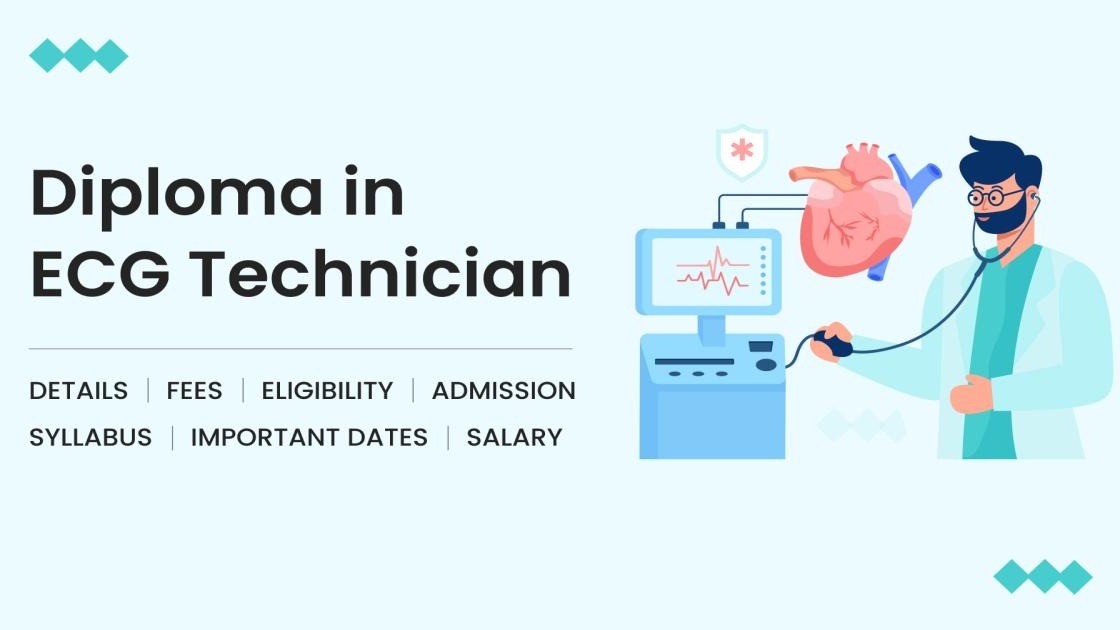
ECG Technicians are responsible for conducting various tests of a patient’s heart and lungs, though primarily they perform electrocardiograms .They attach wires to a patient’s arms, chest, and legs, monitor EKG readings and report the test results. we offer the best paramedical courses in Pune.
Job Description
Perform the ECG test – Prepare the patients and diagnostic equipment for the procedure – Explain the procedure to the patient before the start of the process – Handover of the reports to the patients after Physicians reporting – Participation in the departmental quality initiatives.
To create skill nursing care assistant. At VIPS, we offer the best paramedical courses in Pune.
Job opportunity:
As a Assistant in hospital homes, home health nursing clinics and school for disable
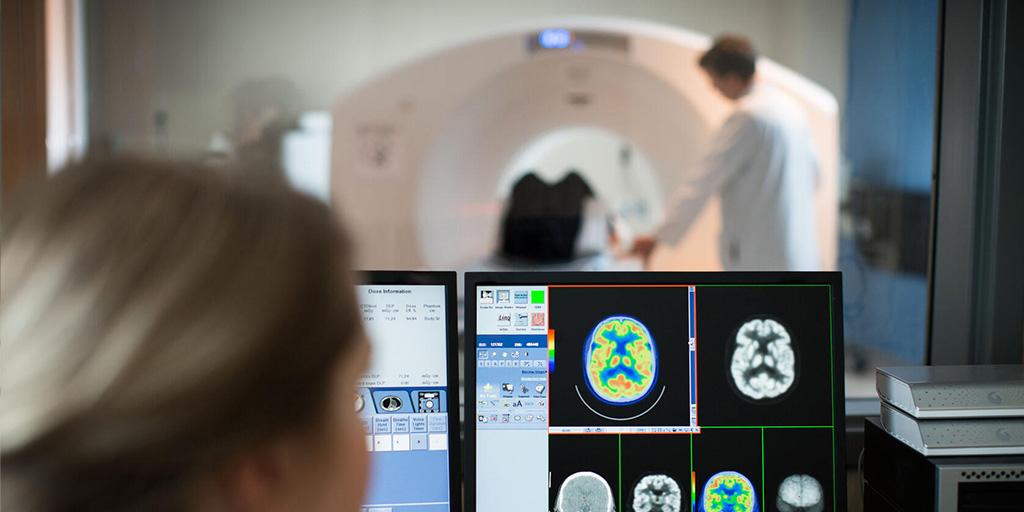
Radiology has been a distinct medical specialty with unique technical challenges from its inception. A radiology technician uses diagnostic imaging equipment to help physicians diagnose illnesses and injuries. He or she may use X-ray equipment, a sonography machine, computed tomography (CT Scan), magnetic resonance imaging (MRI), or a mammography machine to perform these tests and scans.
Through the use of equipment, radiology technicians produce images of internal organs, bones, and other structures, for diagnostic and treatment purposes. At VIPS, we offer the best paramedical courses in Pune. We make sure that the training of students is being conducted in the most advanced medical surroundings. The equipment that is used is modern and advanced which puts our student’s one step ahead of the other technicians.
A radiology technician works under the supervision of and in cooperation with physicians and radiologists. They enable the physicians and doctors to diagnose and treat the conditions that have come out through the documentation done by the radiology technician.
Job Description
Adjusting the equipment to ensure quality scan
Preparing patients for radiological imaging procedures
Following safety precautions
Reviewing patient records
Performing mammography and fluoroscopy, which allows the doctors to view the patient’s soft tissues
Career Prospects
Radiology technicians have numerous job opportunities in private, government, and corporate hospitals, diagnostic centers, and imaging centers. The technicians can work as X-ray technicians, CT technicians, MRI technicians, mammography technicians.
He/she can also specialize in certain diagnostic tests like mammography, bone densitometry, cardiac interventional radiography, and vascular sonography. Some radiologic technologists advance their careers into radiation therapy. These therapists help treat severe conditions like cancer and other diseases by administering radiation treatments.
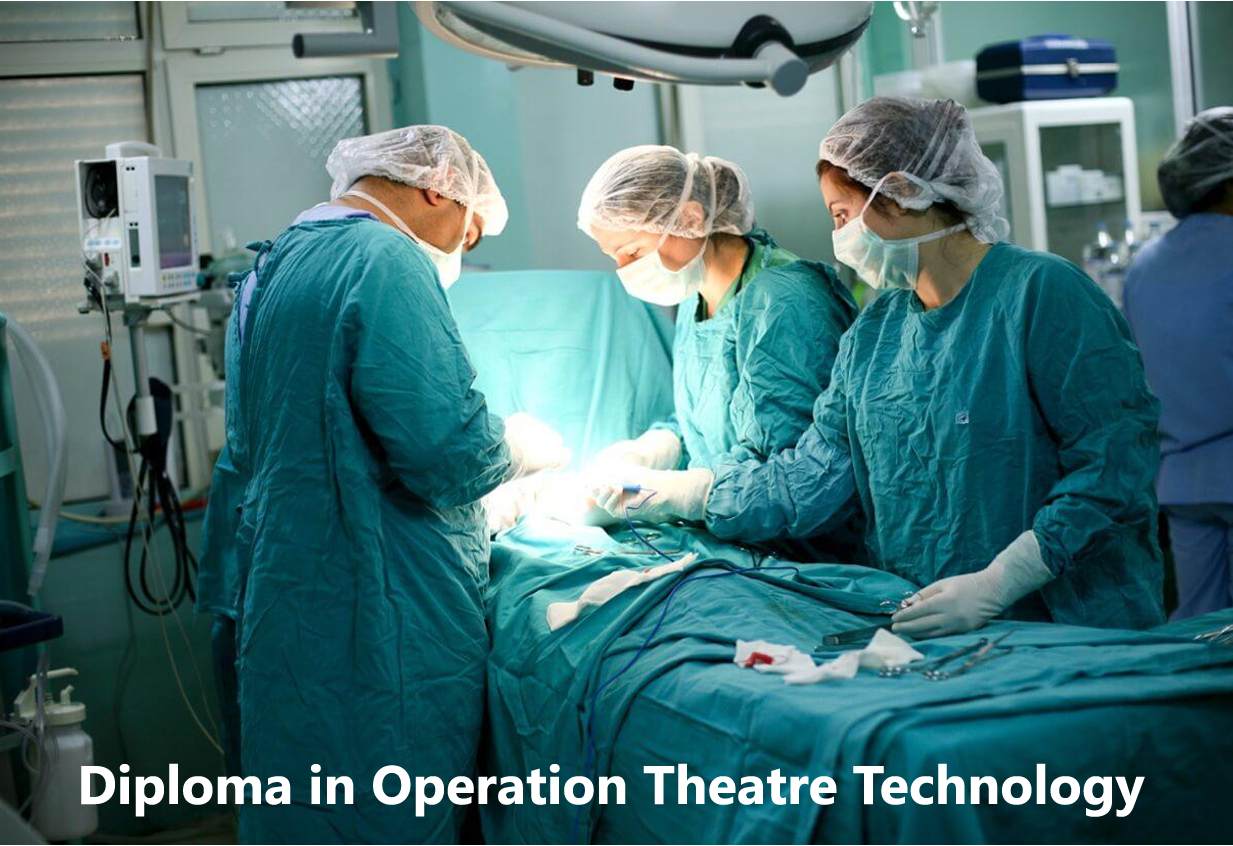
Becoming an Operation Room Technician is one of the possible choices. Individuals who opt for a career as Operation Theatre Assistants are always in high demand as they are required in every hospital which has an operation theatre.
Physiotherapy can be defined as a treatment method that focuses on the science of movement and helps people to restore, maintain and maximize their physical strength, function, motion and overall well-being by addressing the underlying physical issues.
Physiotherapy encompasses rehabilitation, injury prevention and health promotion/fitness. The profession employs a holistic approach to treatment, looking at the patient’s lifestyle and engaging them in their own treatment.
The healthcare professionals who provide physiotherapy are called physiotherapist. They are highly trained, and are skilled at pinpointing the root causes of an injury, as well as treating them. Often, a problem originates in a completely different part of the body than the spot where the pain is centralized.
Physiotherapy Treatment:
What Conditions do Physiotherapists Treat?
As professionals, physiotherapists are experts at providing physiotherapy treatment for:
• Preventing injury and disability;
• Managing acute and chronic conditions;
• Improving and maintaining optimal physical performance;
• Rehabilitating injury and the effects of disease or disability;
• Educating patients to prevent re-occurrence of an injury.
Patients may be referred to or seek assistance from a physiotherapist for a variety of health issues and receive valuable assistance.
Physiotherapists offer treatments relating to the following conditions:
• Cardiorespiratory: providing support, prevention and rehabilitation for people suffering from diseases and injuries that affect the heart and lungs, such as asthma.
• Cancer, palliative care and lymphedema: treating, managing or preventing fatigue, pain, muscle and joint stiffness, and deconditioning.
• Incontinence: managing and preventing incontinence and pelvic floor dysfunction.
• Women’s health concerns: addressing health issues surrounding pregnancy, birth, post-partum care, breastfeeding, menopause, bedwetting, prolapsed, loss of bladder or bowel control.
• Musculoskeletal: preventing and treating clients with musculoskeletal conditions such as neck and back pain.
• Neurological: promoting movement and quality of life in patients who have had severe brain or spinal cord damage from trauma, or who suffer from neurological diseases such as stroke, Parkinson’s disease and multiple sclerosis.
• Orthopedic: helping patients prevent or manage acute or chronic orthopedic conditions such as arthritis and amputations.
• Pain: managing or preventing pain and its impact on function in patients.
 Chat with us
 Chat with us